















Leadership teams rarely struggle because they're missing smart people or they lack the right experience. In fact, the opposite is usually true.
The teams we work with are filled with accomplished executives - leaders with decades of experience, deep functional expertise, and a genuine commitment to the organization's mission and success.
Yet, scaling growth and building team momentum can elude the best of us.
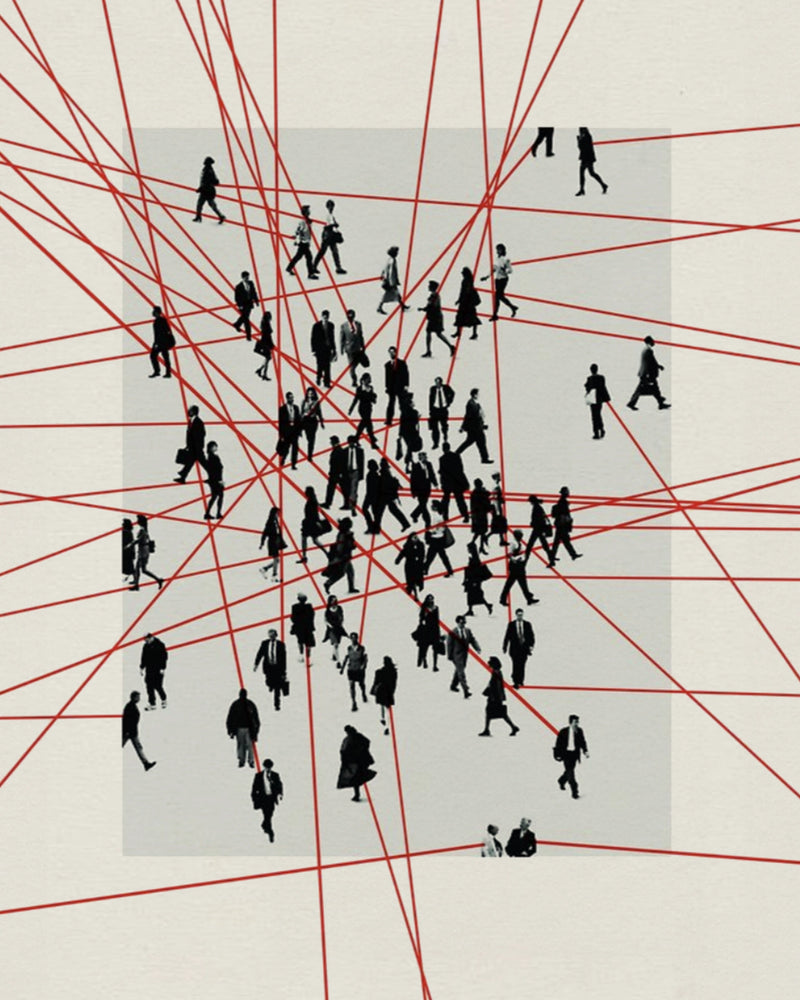
Priorities compete or are unclear. Meetings end without clear agreement and decisions. Functional areas of the company work against one another instead of with one another.
From the outside, it looks like a communication problem.
Sometimes it's labeled as a personality issue. It rarely is.
More often, the team is missing something much more fundamental: A shared way of working. And a common understand of priorities.
At Cofinity, we often find that leadership teams have never explicitly defined:
- How decisions get made, when to collaborate versus when to decide
- What success actually looks like, the target the team is aiming for
- Who is accountable for what, roles and responsibilities
- How communication and baton passes move across functions
- What shared values are agreed on that inform how we work together
- What does shared success look like, beyond individual achievements
What Clarity, Not Capability Actually Changes
One leadership team we coached had remarkable expertise spanning science, clinical development, regulatory, operations, and commercial leadership. They were thoughtful, committed, and highly collaborative.
What they lacked wasn't capability. It was clarity.
Before facilitating a single workshop, we observed leadership meetings, interviewed each executive individually, and mapped where decisions slowed, where ownership blurred, and where handoffs consistently broke down.
Only then did we design the work.
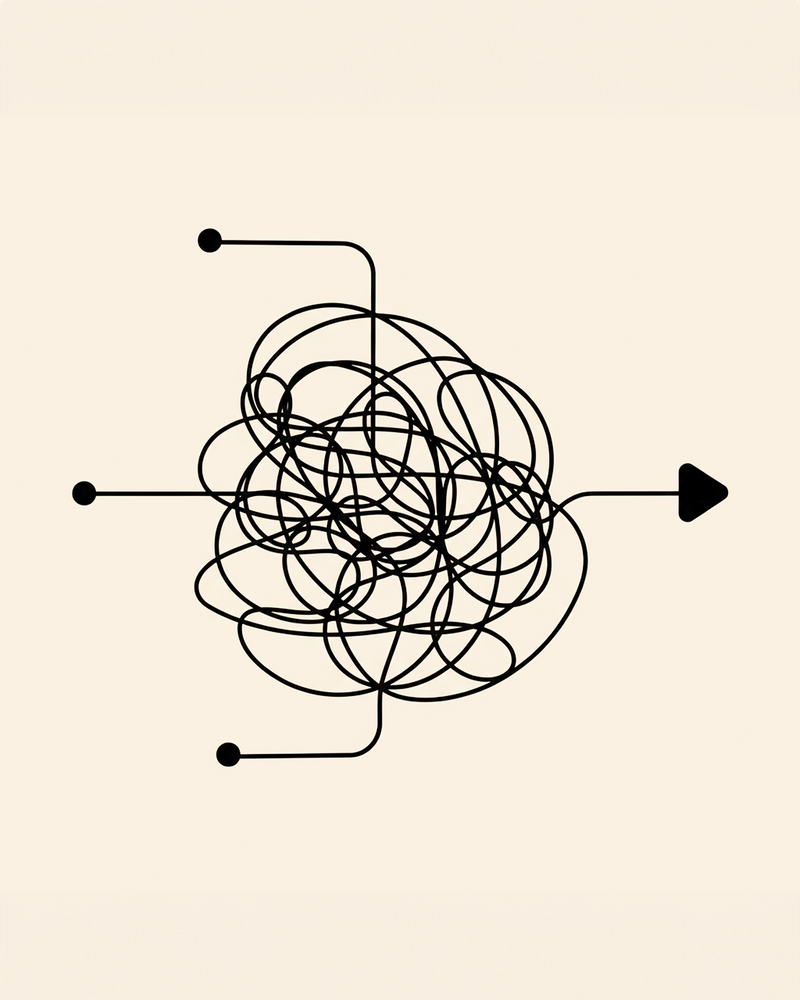
Together, we established a clear lanes of responsibility, defined operating rhythms, strengthened cross-functional handoffs, and created a shared decision-making framework that everyone understood.
The result wasn't simply better meetings. It was faster execution. Greater ownership. Higher trust and less friction.
And a leadership team that could move as ONE instead of as a collection of exceptionally capable individuals.
The strongest organizations aren't built because everyone agrees. They're built because everyone knows how to move through disagreement, make decisions, and execute together.
That's the work.
Because great teams aren't accidental. They're intentionally designed and practiced.
If you'd like to explore strategic partnership with Cofinity, schedule a Clarity Call with Christine here:
https://calendly.com/christinehildebrand/christine-conversation-cofinity


